
Canadian Living recognized my work, by naming me one of 10 Canadian women paving the way for a better future.

Canadian Living recognized my work, by naming me one of 10 Canadian women paving the way for a better future.
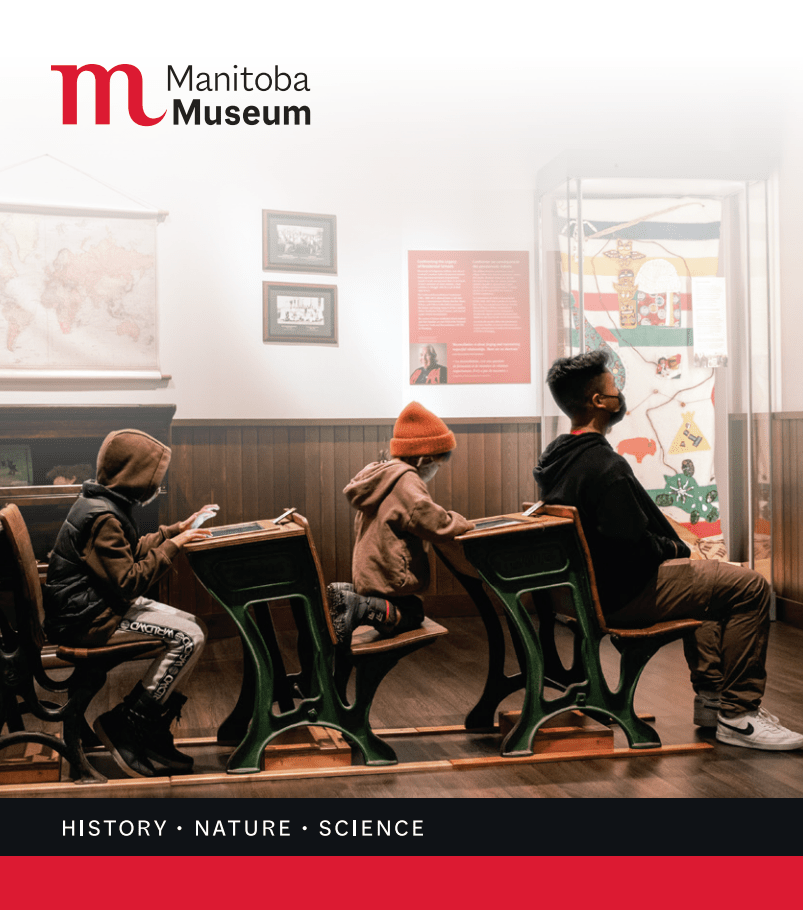
I am grateful to have had the opportunity to contribute to programming developed in partnership with the Museum of Man and Nature and the National Centre for Truth and Reconciliation.
This collaborative work focused on creating a self-guided educational experience that highlighted permanent exhibits connected to the Truth and Reconciliation Commission of Canada’s Calls to Action. The goal of this work was to support learning, reflection, and dialogue about the history and ongoing impacts of residential schools.
As part of the programming, a series of video contributions were created featuring voices and perspectives that helped contextualize the exhibits and extend the learning experience. Contributors included myself, Amanda McLeod, and other community voices, alongside reflections from Indigenous leaders such as Murray Sinclair, Phyllis Webstad, and Nikki Komaksiutiksak.
This work was guided by a shared intention: to centre Indigenous voices and to support meaningful engagement with Truth and Reconciliation in public education spaces. Many participants and visitors expressed appreciation for the opportunity to engage with the exhibits and the expanded learning materials.
For me, this experience reinforced the importance of storytelling in educational spaces — and the responsibility we carry when sharing history, truth, and lived experience. Museums are not only places of display, but also places of dialogue, learning, and relationship-building.
I am honoured to have contributed to this work and to have been part of a collaborative effort that supports ongoing conversations about truth, history, and reconciliation.
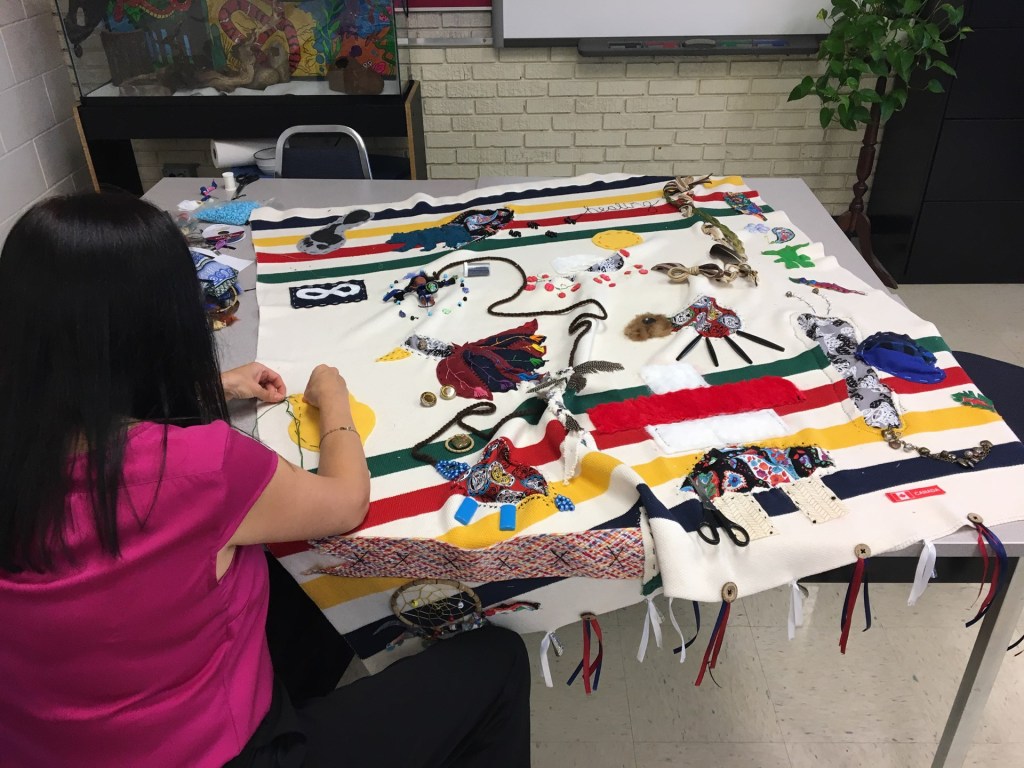
In this work with students, Hudson’s Bay blankets were used as a starting point for conversation and reflection. The blankets were carefully cut and then repaired through stitching and reconstruction. What began as a physical act of tearing and repair became something much deeper — a way of thinking about history, relationships, and the ongoing work of reconciliation.
As the students worked with their hands, they also worked with questions: What does it mean to repair something that has been damaged? What cannot be returned to its original form? And how do we hold both rupture and care at the same time?
The act of mending became symbolic. It invited reflection on the impacts of colonial history, while also opening space for dialogue about healing, responsibility, and connection. The blankets became more than objects — they became a way of speaking about memory, harm, and the possibility of repair.
For me, this experience reinforced something I return to often in my creative work: that learning is not only intellectual, but also embodied. Sometimes understanding comes through hands, through materials, through the slow and careful act of putting something back together in a new way.
Mending is not about erasing what happened. It is about acknowledging it, sitting with it, and choosing to continue forward with care.
I am honoured to share that my children’s book The Fire Walker was nominated for the 2015 Manitoba Book Award.
The Fire Walker is a story about courage, imagination, and the search for light during difficult times. It follows a child who, through curiosity and bravery, embarks on a journey to help restore fire and warmth to a village after a powerful wind extinguishes every flame.
This nomination was a meaningful recognition of a story that carries themes close to my heart — the importance of hope, the wisdom found in storytelling, and the belief that even the smallest person can make a difference.
Stories have the power to connect us, remind us of what we carry within, and inspire us to see possibilities where others may only see challenges.
I am grateful for the recognition and for everyone who has welcomed The Fire Walker into their homes, classrooms, libraries, and hearts.

Every community has stories that remind us where we come from and what we carry forward. The Fire Walker is a magical tale about courage, hope, and the power of a child’s imagination.
Long ago, a powerful wind swept through a small village, extinguishing every fire and leaving the people without warmth or a way to prepare their food. The villagers waited and hoped for the arrival of the legendary Fire Walker — the one who could bring back the light and heat they needed.
But sometimes hope arrives in unexpected ways.
When one brave child witnesses a falling star and receives mysterious messages from a firefly, they begin a journey filled with wonder and courage. Guided by curiosity and determination, the child discovers that even the smallest person can make a difference.
The Fire Walker explores the magic found in nature, the strength found in bravery, and the belief that we all carry the ability to bring light into the world. It is a story about listening closely, trusting what we feel, and discovering the fire that lives within us.
At its heart, The Fire Walker celebrates the imagination of children and the timeless power of stories passed down through generations.

Some stories are born from imagination. Others are born from memory, love, and the people who leave lasting footprints on our hearts.
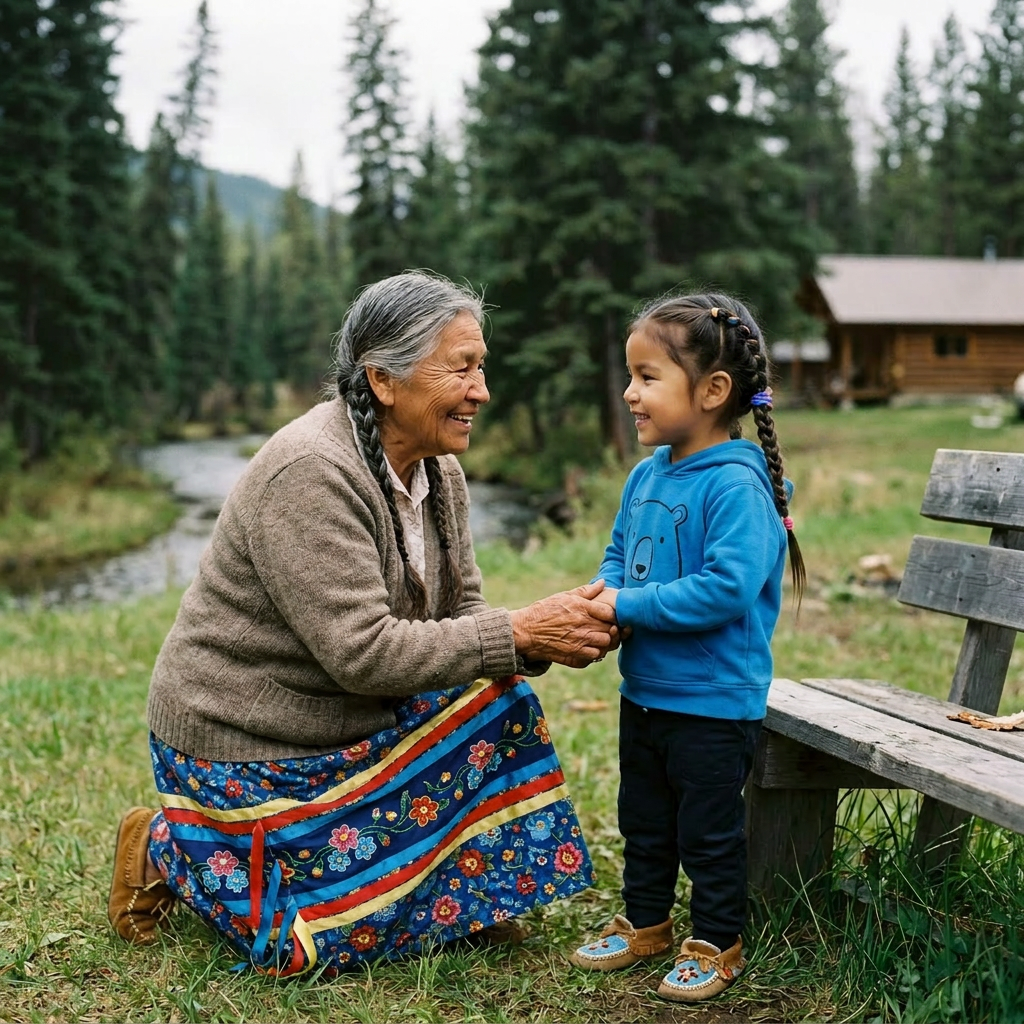
I Loved Her is a story about the special bond between a young Métis girl and her grandmother — a relationship filled with laughter, learning, and the simple moments that become treasured memories. From singing together at the piano to sharing rainy-day games, their connection grows through the everyday experiences that make love so meaningful.
This book was inspired by the understanding that our stories, our families, and the people who guide us are part of who we become. Grandparents carry wisdom, history, and teachings that are passed from one generation to the next. Through the eyes of a child, I Loved Her celebrates the beauty of remembering those who have shaped our lives.
At its heart, I Loved Her is a story about love that continues — a reminder that even when someone is no longer beside us, the memories, lessons, and love they shared remain.
It is a story of family, connection, and the enduring power of love.

Thanks for joining me!
Good company in a journey makes the way seem shorter. — Izaak Walton


